Table Of Content

Whether you are designing for film, TV, games, advertising, or a personal project it takes a lot of creativity and skill to create an effective character. You’ve reached the end of today’s journey on how to design a character. In conclusion, there isn’t a defined formula, however, there are a few best practices and things to consider before jumping on the drawing board. More importantly, your character is much more than a visual, it has personality, temper, and appeal that makes them distinct from every other character.
Recommended Features
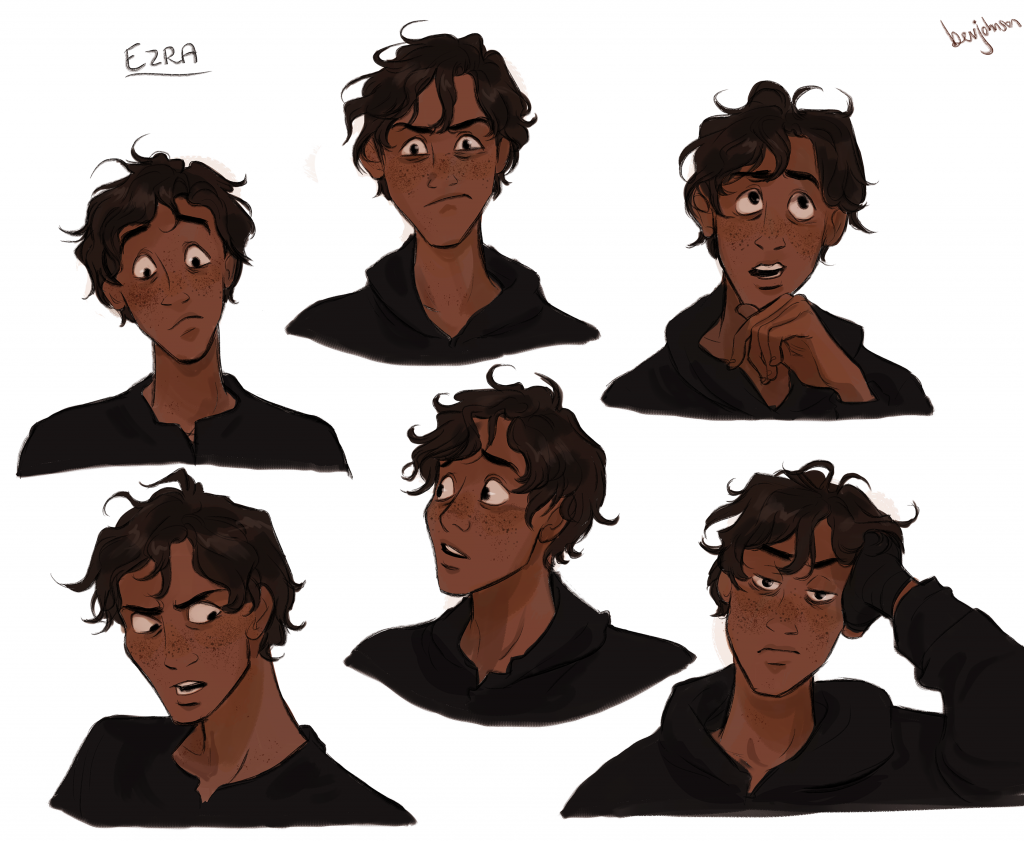
People are imperfect, and characters can benefit from imperfections as well. Even models considered to have more symmetrical features aren't quite as symmetrical as you think. Aiming for perfect symmetry in a character can make them appear otherworldly, which can sometimes have its place but generally comes off as unnatural.
Remove Noise From Image
Other inspirations include ceramics – an organic texture and muted colour palette stop his work feeling too clinical – and folk costumes. While inspiration needs to come from somewhere, the aim is to create something original. So Robert Wallace – known as Parallel Teeth – suggests not having the reference material right in front of you as you work.
Character Design Process
In this article, we will guide you through a step-by-step process to create multi-faceted characters that readers will care to read about. You can also download our free character development template to start crafting your own protagonist. As you can see in the below example, the use of complementary colours for a character design really allows for the details to pop in the illustration! This can be a useful tool when you are creating a protagonist who needs to be the focus of your drawing. Character design has always had a key role in the concept-design industry.
Cross The Lime summarizes, “It is even more important that you keep a clear silhouette in mind when designing. This, (in addition to color later on) is a primary visual way to communicate traits and emotions such as stability, danger, or innocence. It is important to understand that using reference images for inspiration is not cheating (provided, of course, you are not creating exact copies). Whether you like it or not, your art is subconsciously influenced by what you’ve seen, including other artists that have inspired you, and collating references is how you consciously control that influence. In addition, researching the work of other artists on similar concepts or designs for similar audiences can also help you see what is common and how your character can be different. Once you choose a character design software program, your final step is to turn the thumbnail sketch into a polished digital illustration.
You have also noticed that most famous characters, especially in cartoons almost never have realistic proportions. Usually, artists exaggerate features in order to give more personality to a character. His upper body is much larger and more muscular compared to his legs. This is something that creators usually do for more masculine characters since the upper body strength is a symbol of that masculinity and exaggerating it makes it more distinctive. The process can be complicated when creating the stylized forms of Monster High’s characters. Original characters like the kind made on CharacterHub don’t have nearly as many guidelines and notes in their design processes.
Give depth to your characters with the best pose reference tool on the web.
My Hero Academia's Biggest Villain Returns with His Coolest Character Design Yet - Screen Rant
My Hero Academia's Biggest Villain Returns with His Coolest Character Design Yet.
Posted: Sat, 13 Apr 2024 07:00:00 GMT [source]
Some of the most memorable characters in television and film come from the world of 2D and 3D animation. Before these characters are even animated, however, they are designed. Of course, before you send your presentation off to your client, it’s a good idea to take a step back and evaluate honestly how you yourself respond to the finished character. Most artists recommend starting your render with a focus on value. Value is an art term that refers to light and shadow, and as this can be a challenge in and of itself, it is best to separate value from color.
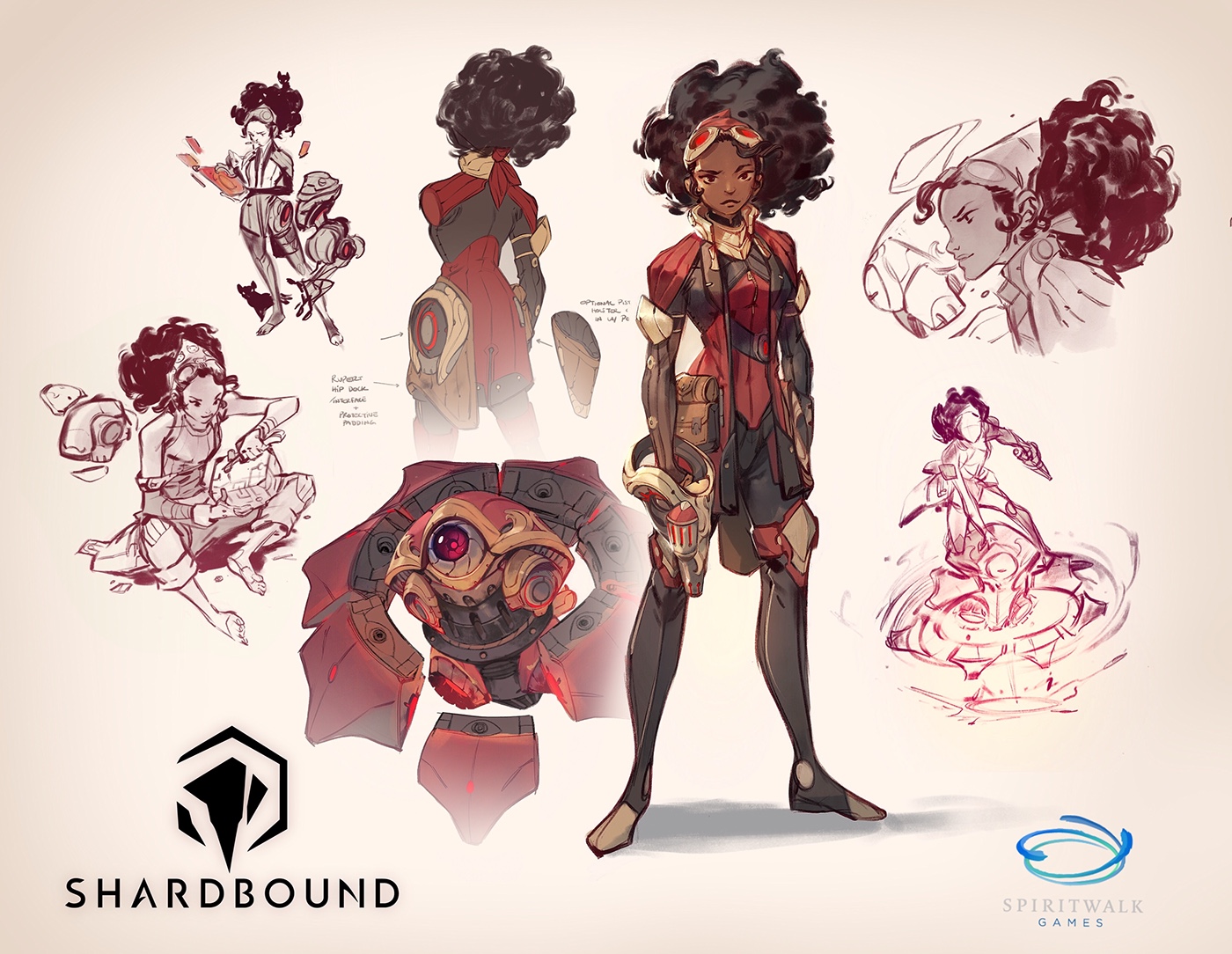
So when you're working up your design, make sure you don't lose that magic. Now that you understand the purpose of character design and the fundamental components to good character design, let’s take a look at the basics of the character design process. In addition to shapes, character designers have to be intentional and strategic with their use of color. Character design belongs to a class of illustration called concept art. It is about communicating the artist’s vision of how a character might appear in a future context, such as a film, video game or company website.
When it comes to character development, imagination will only take you so far. Unless you’re intimately familiar with your protagonist’s world, you’ll need to work to get the details right. Remember that people’s looks don’t always match who they are inside.
At this stage, you should not get bogged down in frivolous details like if “her favorite ice cream is rocky road! ”, but should aim instead for descriptions that serve as an introduction.
Even something as simple as making the palms of the costume red so the character’s hands wouldn’t get lost in a scene proved essential in conveying their presence. So, while most of the core of the character design works, there was still a need to go back and make a change because of the context of a more extensive work. By far, the longest process in designing and refining a character design is working on variations. As you can see from the following collage, I did a lot of drawings on my journey to a finalized design for the character. This doesn’t even include all of them, these are just the highlights.
Bleach's Best Character Designs, Ranked - CBR
Bleach's Best Character Designs, Ranked.
Posted: Tue, 19 Mar 2024 07:00:00 GMT [source]
While the steps we’ve laid out here can help give you a starting framework to develop your character designs, it takes time and practice to hone your skill as a character artist. In a lot of ways, you have already successfully designed a character by this point. Design is less about illustrative flair and more about choices, creating the concept, and the bulk of that hard work is behind you.
Doing so not only gives the client options, it creates the sense that this character is alive rather than a doll pinned down to a static pose. There are a number of brainstorming techniques that can help you develop your character profile. The reason being that singular words keep ideas simple, distilling them to their essence, and this comes in handy when you need to communicate those traits visually. For this reason, character design can be harder than it at first appears. This is especially true for simplistic character styles, where the designer has to communicate more with less.
To build your inspiration library, you should take inspiration from various sources. That means watching movies and TV, reading comics, manga, and books, and listening to podcasts and songs. You never know what sort of things these can spark down the line, and a diversity of media can help expose you to new things you may not have considered. Powerful AI image & art generator, Fotor offers everyone revolutionary access to create artwork. The refinement process often leads to surprising and innovative solutions that enhance your character's overall appeal. Question each element of your creation, especially things such as its facial features.




No comments:
Post a Comment